Chelation Therapy Certification
Heavy Metal Testing, Detoxification, and Clinical Protocols
$499
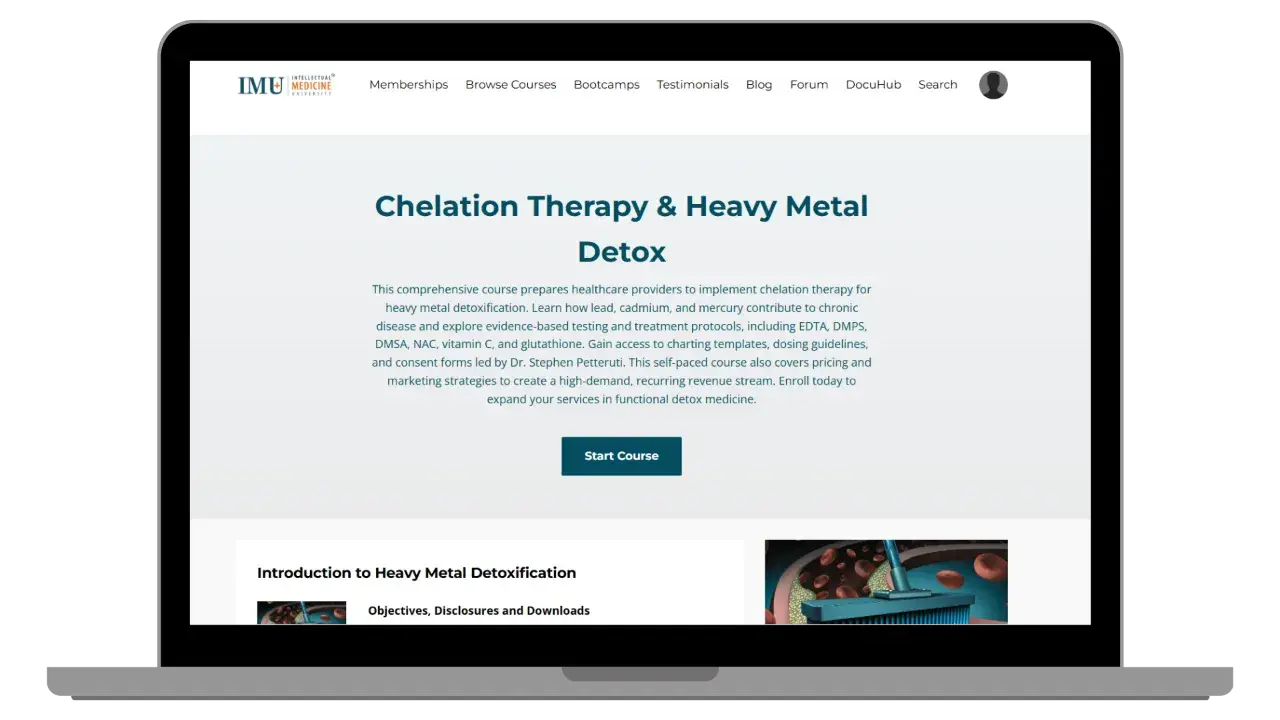
Learn heavy metal testing, EDTA and oral chelation protocols, dosing, safety, monitoring, documentation, and implementation.
Add to Cart
5
CEU
90-minute
Time Investment
Lifetime
Access
Dr. Stephen Petteruti
Instructor
Exposure to lead, cadmium, mercury, and other toxic metals occurs through air, water, food, occupational environments, older buildings, and consumer products.
These metals can accumulate in the body over time and have been associated with cardiovascular, kidney, neurological, metabolic, and other health concerns.
Chelation Therapy Certification is an online clinical training program for licensed healthcare providers who want to evaluate heavy metal exposure and implement chelation therapy responsibly. The program covers patient testing, chelating agents, dosing, administration, contraindications, monitoring, documentation, and practice implementation.
Participants will learn to evaluate exposure history, clinical symptoms, laboratory data, organ function, and individual risk factors prior to recommending treatment.
Understand Heavy Metal Exposure and Accumulation
The program begins by addressing the sources and health implications of heavy metal exposure. Participants will examine how patients encounter lead, cadmium, mercury, and other metals through environmental, occupational, dietary, and lifestyle factors.
Dr. Petteruti details the processes by which toxic metals are absorbed, distributed, stored, and eliminated. The curriculum also addresses why exposure does not necessarily equate to toxicity and emphasizes that treatment decisions should not be based solely on symptoms.
The course reviews associations between toxic metal burden and cardiovascular disease, kidney dysfunction, neurological symptoms, cognitive health, oxidative stress, inflammation, and metabolic dysfunction. It distinguishes documented associations from outcomes that remain under investigation.
Add to Cart100% Online
Access the course from anywhere
Self-paced
Learn on your own schedule
Protocols and consent forms
Included with your purchase
Learn From the Clinical Experience of Dr. Stephen Petteruti
This certification program is taught by Dr. Stephen Petteruti, a board-certified family physician and certified chelation specialist with more than 30 years of clinical experience. His background includes family medicine, functional medicine, metabolic health, cardiovascular risk reduction, IV therapy, and heavy metal detoxification.
Dr. Petteruti has extensive experience developing and supervising intravenous chelation programs. His work includes patient screening, heavy metal testing, individualized dosing, infusion administration, clinical monitoring, and long-term follow-up.
He is also the author of published research examining intravenous chelation therapy. His 2020 prospective cohort study evaluated changes in lead levels following long-term intermittent calcium EDTA infusions. In 2023, he coauthored a retrospective pilot study evaluating changes in coronary artery calcium scores among patients receiving an EDTA-based IV chelation protocol.
Dr. Petteruti developed this program to provide healthcare professionals with both a scientific foundation and practical guidance for the safe administration of chelation therapy. The curriculum is informed by published research, extensive clinical experience, and direct management of a medical infusion practice.
Learn More
What You Will Learn
Test Patients for Heavy Metals
Heavy metal testing requires more than ordering a standard laboratory panel. Results must be interpreted in relation to exposure history, symptoms, kidney function, specimen type, reference ranges, and the limitations of each testing method.
Participants will learn how blood, urine, and alternative testing methods are utilized to assess potential exposure. The program also covers baseline and follow-up testing, as well as essential clinical considerations prior to initiating treatment.
Dr. Petteruti discusses the use and limitations of provoked urine testing. You will learn why provoked and non-provoked results should not be compared to the same reference range and why test interpretation must remain consistent with the collection method.
Compare Chelating Agents
Different chelating agents bind different metals and carry different risks. This program reviews EDTA, DMSA, DMPS, N-acetylcysteine, vitamin C, and glutathione.
Participants will examine the distinctions between calcium disodium EDTA and disodium EDTA, including the reasons these formulations are not interchangeable. Dr. Petteruti outlines how chelator selection is determined by the suspected metal, route of administration, renal function, treatment objectives, and patient-specific risk factors.
The course also covers oral and intravenous options, proposed mechanisms, dosing considerations, adverse effects, medication interactions, mineral depletion, and required monitoring.
Review TACT and Cardiovascular Chelation Research
The Trial to Assess Chelation Therapy, or TACT, was a major randomized clinical trial evaluating an EDTA-based chelation regimen in patients with a previous myocardial infarction. Its findings generated continued discussion about the possible cardiovascular effects of chelation, particularly among patients with diabetes.
Dr. Petteruti reviews the TACT protocol, study population, reported outcomes, subgroup findings, limitations, and clinical implications. The course also examines subsequent research and the questions TACT2 was designed to investigate.
Participants will learn to accurately interpret and discuss these trials, avoiding the misrepresentation of subgroup findings or exploratory research as definitive evidence that chelation prevents cardiovascular events in all patients.
Implement Chelation Therapy Protocols
Chelation therapy requires careful patient selection, dosing, administration, and monitoring. The program takes you through the clinical process from the initial evaluation to long-term follow-up.
Participants will study dosing calculations, carrier solutions, infusion procedures, treatment frequency, laboratory monitoring, mineral replacement, and patient reassessment. Dr. Petteruti also reviews clinical factors that may necessitate slower administration, dose adjustments, temporary suspension, or discontinuation of treatment.
Safety topics include kidney function, hydration, electrolyte balance, mineral depletion, hypocalcemia risk, infusion reactions, medication interactions, and contraindications.
Monitor Patients During Treatment
Patient monitoring should continue throughout a chelation program. The course explains which baseline and follow-up laboratory tests should be considered and how results influence treatment decisions.
Participants will learn to assess treatment tolerance, identify adverse effects, document clinical responses, and determine the appropriateness of continued therapy. The program also addresses emergency preparedness and delineates the responsibilities of clinicians supervising intravenous chelation.
Strengthen Documentation and Informed Consent
Clear documentation supports patient safety and continuity of care. This program includes consent forms, charting templates, testing documentation, and treatment protocol resources.
Dr. Petteruti explains what should be documented during the initial evaluation, each infusion, follow-up testing, and treatment reassessment. The informed-consent section addresses potential benefits, risks, alternatives, evidence limitations, financial responsibility, and the patient’s right to stop treatment.
These resources serve as a clinical foundation. Each practice is responsible for adapting documentation to comply with current state regulations, professional scope, facility policies, and legal requirements.
Add Chelation Therapy to Your Practice
The program also addresses the operational aspects of providing chelation services. Participants will learn to organize patient intake, testing, clinical evaluation, informed consent, infusion scheduling, follow-up, and staff responsibilities.
Dr. Petteruti discusses pricing strategies, treatment packages, supply costs, staff allocation, and long-term monitoring. The business guidance emphasizes developing a clinically responsible and financially sustainable service without promoting unnecessary interventions.
Program Features
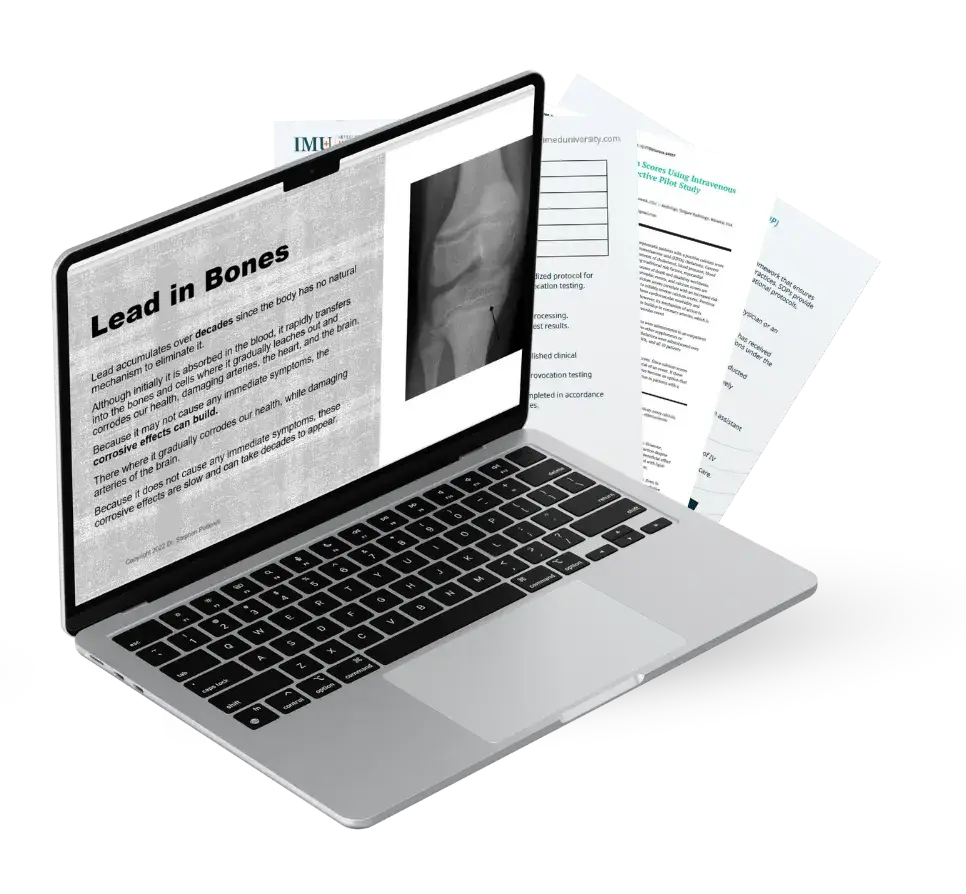
Chelation Therapy Certification includes self-paced instruction from Dr. Petteruti, a 93-slide clinical presentation, chelation protocols, heavy metal testing guidance, informed-consent resources, charting templates, and practice implementation materials.
After completing the required lessons and passing the final assessment, participants receive 5 continuing education hours and a Chelation Therapy Certificate from Intellectual Medicine University.
Add to CartChelation Therapy Certification
Program Curriculum
-
Introduction to Heavy Metal Detoxification
4 lessons- Objectives, Disclosures and Downloads
- Lesson 1: Chelation Presentation
- Lesson 2: Chelation Protocols
- Chelation and Heavy Metal Detox Post Test


I've taken your chelation and IV therapy courses, and they are the best I've seen! The data you provided was intriguing and inspiring, motivating me to incorporate chelation therapy into my own clinic. Your passion for integrative care and research on cardiac wellness is evident, and I'm excited to be following your lead. Highly recommended for anyone seeking to deepen their knowledge and practice!
Who Should Enroll?
This program is designed for physicians, nurse practitioners, physician associates, nurses working under appropriate clinical supervision, and other licensed healthcare professionals involved in functional medicine, cardiovascular health, environmental medicine, or IV therapy.
Participants should provide chelation therapy only within their professional license, prescribing authority, state regulations, employer policies, and applicable standards of care.
Add to CartEarn Your Chelation Therapy Certificate
Chelation therapy is not appropriate for every patient. Safe implementation requires a clear understanding of heavy metal exposure, laboratory testing, chelator selection, dosing, contraindications, monitoring, and the limitations of current evidence.
Chelation Therapy Certification provides an evidence-informed clinical framework and practical resources developed by a physician with decades of experience and published research in chelation therapy.
Enroll today to earn 5 CE hours and develop the knowledge needed to evaluate and implement chelation therapy in your practice.
The Add-on You Didn't Know You Needed
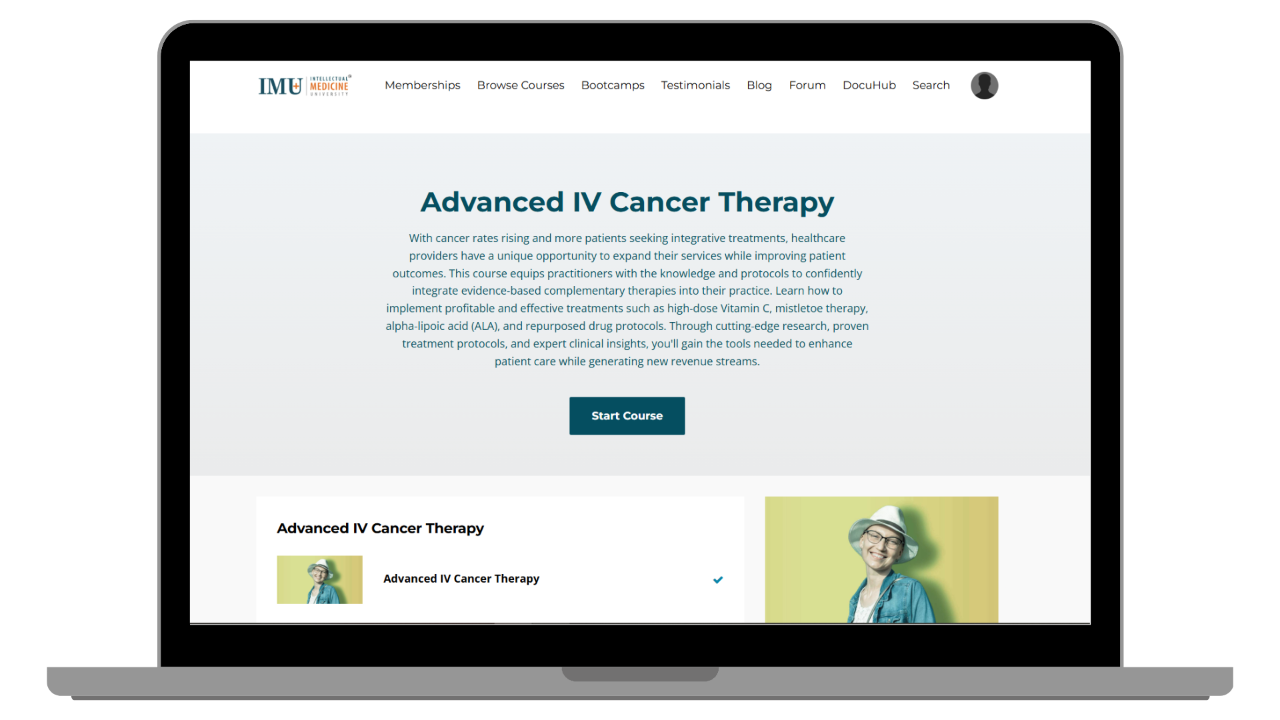
Advanced IV Therapy in Integrative Cancer Care | 8 CEU
Add high-dose vitamin C, mistletoe, ALA, and repurposed drugs to improve cancer outcomes and expand your services.
$499.00 USD
Alpha Lipoic Acid Therapy: IV Protocols and Clinical Applications | 1.5 CEU
Learn IV and oral Alpha Lipoic Acid protocols for liver support, neuropathy, cognitive decline, cancer care & more in this clinical CE course.
$149.00 USD
Breast Cancer Treatment and Support Therapies | 1.5 CEU
Deliver evidence-based, integrative breast-cancer support—high-dose vitamin C, ALA, mistletoe, repurposed drugs, and IV protocols—to boost patient outcomes and practice revenue.